
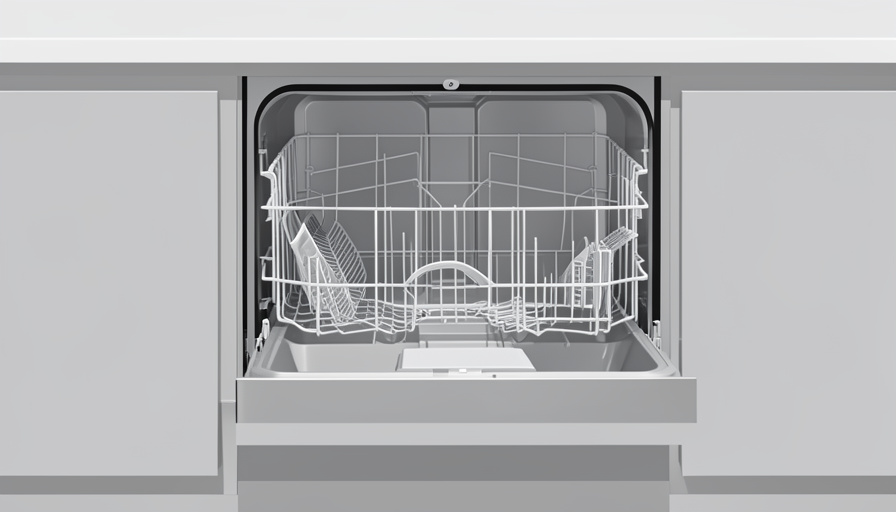
You open the dishwasher one morning and there is rust creeping across the rack, or a puddle under the door. You bought this thing four years ago. Surely the warranty covers it? Maybe. Probably not. The gap between what people think a dishwasher warranty covers and what it actually covers is where a lot of frustration lives.
Appliance warranties are written to sound generous and read to be narrow. A dishwasher warranty is a good example, because the part most likely to fail or corrode is often the part least likely to be covered. Before you assume a repair is free or fume that a claim was denied, it helps to know how these warranties are actually structured. Here is what a dishwasher warranty typically covers, the rust rule almost everyone misreads, and why claims get turned down.
Short Answer
Most dishwasher warranties give you one year of full coverage on parts and labor, then a longer period, often five to ten years, on specific components like the stainless tub, electronic controls, or racks. The catch is that the long coverage is narrow: it usually covers rust-through from a manufacturing defect, not everyday surface rust, rack corrosion, or damage from harsh detergents. That mismatch is why so many claims get denied.
The Two Layers of Coverage
Nearly every major dishwasher warranty is built in two layers, and confusing them is the root of most disappointment.
The first layer is the one-year limited warranty. For the first 12 months, the manufacturer typically covers both parts and labor on the whole appliance. If almost anything fails in year one because of a defect, you are in good shape, and a technician visit should not cost you.
The second layer is the long-tail coverage on specific parts. After year one, most brands narrow the warranty to a handful of components, often the stainless steel tub and inner door, the electronic control board, and sometimes the racks, for a longer window like five or ten years. As the coverage summaries from major makers show, that longer coverage is limited to named parts, and often to parts only, not the labor to install them. So a control board might be free in year three while the service call to fit it is on you.
The Rust Rule Everyone Misreads
This is the big one, because rust is the single most common thing people expect their warranty to handle, and the coverage is much narrower than the marketing implies. Some brands advertise a lifetime warranty against rust-through on the stainless tub, which sounds airtight. Read the fine print and it covers exactly one thing: the tub or inner door rusting all the way through because of a material or manufacturing defect, with cosmetic rust and chemical damage explicitly excluded.
What it almost never covers is the rust people actually see. Cosmetic surface rust, corroded racks, rust spots on your cutlery, and rust caused by harsh chemicals, abrasive cleaners, or hard water are typically excluded. That is why a homeowner whose two-year-old rack corrodes, or whose cutlery keeps rusting, so often hears that the claim is denied. The warranty was never written to cover that kind of rust, even though it is the kind almost everyone gets.
Why Warranty Claims Get Denied
Beyond the rust trap, claims fail for a predictable set of reasons. Knowing them in advance is the best way to avoid a surprise.
- Cosmetic damage. Rusted racks, cracked door panels, broken knobs, and peeling finishes that do not stop the machine from working are almost always excluded.
- Improper installation. If the dishwasher was wired wrong or plumbed without proper drainage, the maker can deny a later failure it links to the install.
- Pre-existing problems. A fault that existed before coverage started, or before you bought an extended plan, generally is not covered.
- Wear and misuse. Damage from harsh cleaners, overloading, or skipped maintenance falls on the owner, not the warranty.
- No proof or unauthorized repair. No receipt, no model and serial number, or a repair done by a non-authorized technician can each void a claim.
How to Make a Claim That Sticks
You cannot rewrite the warranty, but you can avoid the mistakes that get claims thrown out. A few habits do most of the work:
- Keep the paperwork. Save the receipt and record the model and serial number. Registering the product with the maker helps too.
- Read your actual terms. Coverage varies by brand and model, so find your specific warranty document and note what is covered, for how long, and whether labor is included.
- Document the failure. Photograph the problem and note when it started. Evidence that a defect, not misuse, caused it is what claims turn on.
- Use authorized service. Going through the maker’s approved repair channel protects the warranty. A cheaper independent fix can void it.
- Act inside the window. Report a covered failure while it is still under warranty rather than waiting until you have time.
Is an Extended Warranty Worth It?
This depends on the machine and your tolerance for risk. Extended plans mostly buy you coverage on the expensive electronic and mechanical failures that tend to appear a few years in, which is exactly when the standard warranty has narrowed. If you bought a premium dishwasher with a lot of electronics, a plan can be reasonable insurance.
For a budget model, the math is often worse, because the plan can cost a meaningful share of the machine’s price and still exclude the cosmetic and wear issues you are most likely to hit. Either way, read what the extended plan actually covers before buying it, because a plan that repeats the same rust and cosmetic exclusions is not adding much.
Key Takeaways
- Dishwasher warranties usually give one year of full parts-and-labor coverage, then narrow to specific parts for five to ten years.
- Long-term coverage is often parts only, so you may still pay labor after year one.
- Tub rust warranties typically cover only rust-through from a defect, not surface rust, rack corrosion, or cutlery rust.
- Common denial reasons include cosmetic damage, improper installation, pre-existing faults, misuse, and unauthorized repairs.
- Keep your receipt and model number, use authorized service, and read your specific warranty to make a claim stick.
Frequently Asked Questions
How long is a dishwasher warranty?
Most brands offer a one-year limited warranty covering parts and labor on the whole appliance, followed by longer coverage, often five to ten years or occasionally a lifetime rust-through warranty, on specific parts like the stainless tub, control board, or racks. Exact terms vary by manufacturer and model.
Does a dishwasher warranty cover rust?
Usually only in a narrow way. Many warranties cover the inner tub or door rusting all the way through because of a manufacturing defect. They typically exclude cosmetic surface rust, corroded racks, rusted cutlery, and rust caused by harsh chemicals or hard water, which is the rust most owners actually experience.
Why was my dishwasher warranty claim denied?
Common reasons include cosmetic-only damage, improper installation, a pre-existing problem, misuse such as harsh cleaners or overloading, or repairs done by an unauthorized technician. Missing proof of purchase or the model and serial number can also lead to a denial.
Is an extended dishwasher warranty worth buying?
It can be for premium models with expensive electronics, since those failures tend to appear after the standard warranty narrows. For budget dishwashers it is often less worthwhile, especially if the plan repeats the same cosmetic and rust exclusions. Read exactly what the plan covers before deciding.
The Bottom Line
A dishwasher warranty is not a promise that the machine will stay perfect. It is a narrow guarantee against specific defects, wrapped in language that sounds broader than it is. The single most useful thing you can do is read your own warranty document and notice two things: what parts are covered after year one, and what the rust coverage actually says. Do that, keep your paperwork, and use authorized service, and you will spend far less time arguing with a call center about a rusted rack that was never covered in the first place. For more coverage, see ShoutPost’s Home Improvement and Business sections.




Leave a Reply
You must be logged in to post a comment.