
That little heart-with-a-slash symbol is a screening flag, not a diagnosis. Here is how to read it without panicking.
You take your blood pressure at home, and along with the two numbers a small symbol appears: a heart with a wavy or crossed-out line, or the words “irregular heartbeat.” Suddenly the reading feels alarming. This is one of the most common questions people bring to heart forums after buying a cuff, and the short version is reassuring: that symbol means the device noticed an uneven rhythm while it was measuring, not that you have a diagnosed heart condition. It is worth understanding, and worth acting on, but it is a prompt to pay attention rather than a reason to panic.
What To Know
An irregular heartbeat indicator on a home blood pressure monitor detects that your pulse was uneven during that specific measurement. It is a screening flag, not a medical diagnosis, and it cannot tell you whether you have atrial fibrillation or any other condition. A single alert is often nothing, since movement, talking, or crossing your legs can trigger it. What matters is the pattern: if the symbol keeps appearing across careful readings, that is worth a conversation with your doctor. If it comes with chest pain, fainting, severe shortness of breath, or a racing heart that will not settle, treat that as urgent and seek care right away. An irregular rhythm can also make the blood pressure numbers themselves less reliable.
What the Irregular Heartbeat Symbol Actually Detects
Most home cuffs measure your pulse through the same sensor that reads your blood pressure. While the cuff inflates and deflates, it tracks the timing between beats. If those intervals vary more than the device expects during that reading, it shows the irregular heartbeat symbol. That is the whole mechanism. It is detecting variation in the pulse it felt in those thirty seconds, and nothing more. It does not record your heart’s electrical activity the way an electrocardiogram does, so it cannot name a rhythm or confirm a condition.

Because the reading is based on the pulse felt at the arm, a lot of harmless things can set the symbol off. Moving or talking during the measurement, a cold room, an ill-fitting cuff, or simply a few early or skipped beats that many people get now and then can all trigger it. That is why one alert on its own rarely means much.
Why It Is Not a Diagnosis of AFib
People often see the symbol and immediately think of atrial fibrillation, a common irregular rhythm. A home cuff can hint at it, but it cannot diagnose it. Research on these algorithms treats the irregular heartbeat indicator as a screening signal that should prompt a proper check, not as a verdict. One review of an automated monitor’s irregular heartbeat detection algorithm found it useful for flagging possible atrial fibrillation, yet it still needed a clinical electrocardiogram to confirm anything. The cuff points; the doctor diagnoses. Only a medical evaluation, usually with an ECG, can tell you what the rhythm actually is.
What to Do When Your Monitor Flags an Irregular Heartbeat
Start by not panicking, then work through it calmly:
- Rest and measure again properly. Sit quietly for five minutes, feet flat, back supported, arm at heart level, and stay still and silent during the reading. Retake it once or twice. A symbol that vanishes when you measure carefully was likely a fluke.
- Write down what you see. Note the date, time, the two numbers, your pulse, and whether the symbol appeared. A log over a week or two shows whether this is a one-off or a pattern, and it gives your doctor something concrete.
- Book a routine appointment if it repeats. If the symbol keeps showing up across careful readings, mention it to your doctor and bring your log. They can run an ECG or fit a wearable monitor to see what is really happening.
- Seek urgent care for warning signs. Chest pain or pressure, fainting or near-fainting, severe breathlessness, or a fast, pounding heartbeat that will not settle are reasons to get help immediately rather than wait.
This article is general health information, not medical advice. A home blood pressure monitor cannot diagnose a heart condition, and nothing here replaces a professional evaluation. If you are worried about your heart rhythm, or you have symptoms like chest pain, fainting, or severe shortness of breath, contact a qualified healthcare provider or emergency services. Always follow the guidance of your own clinician.
Why an Irregular Rhythm Can Skew the Numbers
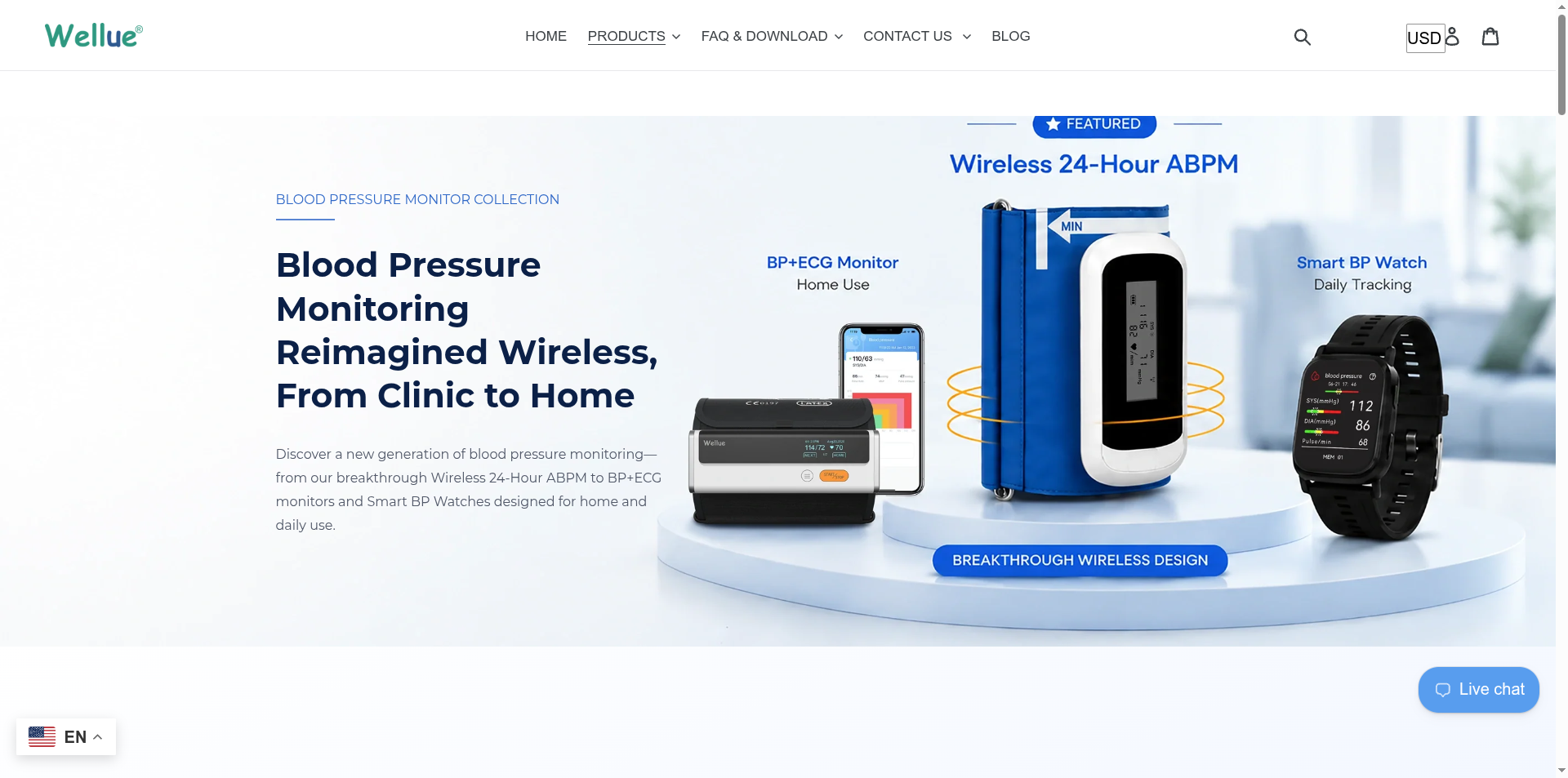
There is a second reason the symbol matters: when your heartbeat is uneven, the blood pressure reading itself can be less accurate. Home cuffs assume a fairly regular pulse to calculate their result, so a genuinely irregular rhythm can make one reading run high or low. Some newer devices add an actual single-lead electrocardiogram alongside the cuff to give a clearer picture, but even those are screening tools rather than a substitute for a clinical workup.
The practical takeaway is to average several careful readings rather than trusting a single one, and to tell your doctor if the irregular heartbeat symbol shows up often. As Mayo Clinic guidance on home monitoring notes, taking readings correctly and sharing them with your provider is what makes home monitoring useful in the first place.
Frequently Asked Questions
What does the irregular heartbeat symbol on a blood pressure monitor mean?
It means the monitor detected an uneven pulse during that measurement. The device tracks the timing between beats while the cuff works, and if those intervals vary more than expected, it flags it. The symbol is a screening signal about that one reading. It does not diagnose a condition and it cannot tell you which rhythm your heart is in.
Should I be worried if my blood pressure monitor shows an irregular heartbeat?
A single alert is usually not a cause for alarm, since movement, talking, a poorly fitted cuff, or the occasional skipped beat can trigger it. Rest for five minutes and measure again carefully. If the symbol keeps appearing across good readings, mention it to your doctor. If you also have chest pain, fainting, severe breathlessness, or a racing heart, seek care right away.
Can a home blood pressure monitor detect AFib?
It can hint at atrial fibrillation by flagging an irregular pulse, but it cannot diagnose it. The cuff senses pulse timing, not the heart’s electrical activity, so it works as a screening tool that should prompt a proper check. Confirming atrial fibrillation or any other rhythm requires a clinical evaluation, usually an electrocardiogram ordered by a healthcare provider.
Are blood pressure readings accurate if my heartbeat is irregular?
They can be less reliable. Home monitors are designed around a fairly regular pulse, so a genuinely irregular rhythm can push a single reading higher or lower than your true pressure. The fix is to take several careful readings and average them, rather than trusting one, and to let your doctor know the irregular heartbeat symbol is appearing so they can factor it in.
The Bottom Line
An irregular heartbeat symbol on a home monitor is a nudge, not a diagnosis. It tells you the device sensed an uneven pulse during that reading, which is often harmless but sometimes worth investigating. Rest, measure again correctly, keep a short log, and bring it to your doctor if the symbol keeps showing up. Save the emergency response for real warning signs like chest pain or fainting. Used that way, the alert becomes a helpful early prompt rather than a source of worry. For more on staying healthy and caring for family, see our Health and Family & Personal sections.




Leave a Reply
You must be logged in to post a comment.