
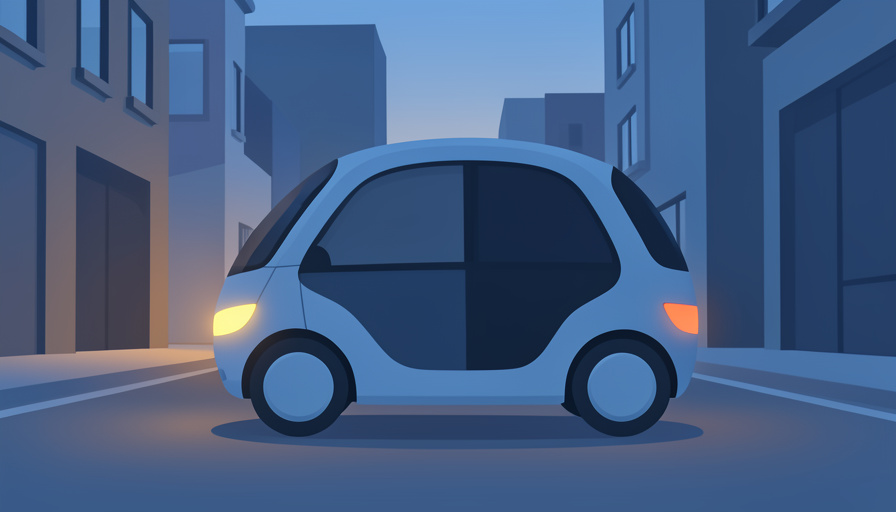
Tesla just started asking ordinary people a surprisingly big question: do you want to buy a fleet of self-driving taxis and run it yourself? The pitch sounds generous. It also raises a question the company has not fully answered.
In early September 2026, Tesla began circulating an interest form gauging who might want to buy and operate their own Cybercab robotaxis. Chief executive Elon Musk has framed the plan as a mix of Uber and Airbnb, where Tesla runs part of the fleet and private owners plug their cars into the same network to earn money. The Tesla Cybercab fleet ownership idea got investors and prospective buyers talking fast, and underneath the excitement sits one stubborn question about who really wins.
Bottom Line First
Tesla is inviting outside owners to buy Cybercabs and run them as robotaxis, promising earnings that beat the monthly cost of the car. Skeptics counter that if a robotaxi fleet were as profitable as claimed, Tesla would keep the cars and the revenue for itself rather than sell them off. The honest answer is that nobody has published the numbers yet, so the pitch is a bet, not a guarantee.
What Tesla Is Actually Offering
The offer is still early and light on specifics, but the shape is clear. Tesla has been asking people whether they want to buy and run Cybercab fleets, and the company already operates its own small robotaxi service in a handful of cities. The proposed model has two layers: Tesla owns and runs some of the cars directly, and separately lets individuals or companies buy Cybercabs and add them to the network for a cut.
Musk has said owner earnings would comfortably exceed the monthly payment on the vehicle, which is the whole hook. Buy the car, let it drive itself around town collecting fares while you sleep, and the fares more than cover the loan. It is the same fantasy that sold a lot of people on rental property, applied to a robot that parks itself.
The Question Investors Keep Asking
Here is where the mood turns skeptical, and the sharpest version of the doubt came from Tesla’s own critics online. A widely upvoted post on the r/RealTesla forum put it bluntly: if a Cybercab fleet were genuinely profitable, Tesla would not sell you one. It would keep every car and every dollar of fare revenue.
That is not a fringe worry, and the sums involved are enormous. One Wolfe Research analyst has projected Tesla’s robotaxi revenue could reach around $250 billion a year by 2035, a figure that assumes Tesla grabs a large slice of the market at roughly a dollar per mile. The bulk of that value sits with whoever owns and operates the cars. If the money is in owning the fleet, the logic goes, why hand that upside to strangers? A company usually outsources the parts of a business it does not want, not the parts that print money.
The Case For Selling Fleets to Owners
There are honest answers to that question, and they are worth taking seriously before writing the whole thing off.
- Capital speed. Building a global robotaxi fleet in-house costs staggering amounts of cash up front. Selling cars to owners shifts that cost onto them and lets the network scale far faster than Tesla could fund alone.
- Risk sharing. Owners absorb the depreciation, insurance headaches, and downtime. Tesla still collects on hardware sales and its slice of the fares without carrying the full operating burden.
- Demand outruns supply. In Austin, riders have reported wait times over an hour against a fleet of only a few dozen cars. More owners means more cars on the road sooner, which is how you win a land grab against rivals.
In that framing, selling fleets is not a red flag. It is a way to grow the network quickly while someone else foots the bill for the metal.
The Case For Keeping It In-House
The counterargument is just as clean. The most valuable part of a robotaxi business is the recurring fare revenue per mile, and that revenue is highest when one company keeps all of it. Every car sold to an outside owner is a car whose lifetime earnings Tesla mostly gives away.
There is also a timing tell. Selling fleets now, before anyone has proven a single robotaxi turns a steady profit, moves the financial risk onto buyers at exactly the moment that risk is least understood. If the economics turn out great, Tesla can always tighten the terms later. If they turn out shaky, the owners are the ones holding cars that do not pay for themselves.
What We Do Not Know Yet
The biggest gap in this whole debate is data. Neither Tesla nor its main rival has published real profitability figures for driverless ride-hailing. Waymo, the most established operator, has said it sees a path to profitability but has not said when it expects to get there. That is the industry leader hedging, not a settled business.
So the Cybercab fleet pitch rests on projections, not receipts. The revenue-per-mile, the cost of keeping cars clean and charged and repaired, the insurance rates for a driverless vehicle, the utilization once the novelty fades: all of it is estimated. A prospective owner is being asked to buy into a model whose core numbers are still guesses, however confident the guesses sound.
This article explains a business and investing topic for general readers. It is not financial or investment advice. Talk to a qualified professional before putting money into any vehicle-as-income scheme.
At a Glance
- Tesla is asking people to buy Cybercabs and run them as robotaxis, in a model Musk compares to Uber plus Airbnb.
- Critics argue that a truly profitable fleet is one a company keeps, not one it sells to outsiders.
- Analyst projections put robotaxi revenue in the hundreds of billions by 2035, with most value tied to owning the cars, which fuels the skepticism.
- The case for selling fleets is faster scaling and shifted risk; the case against is giving away recurring revenue.
- No operator, Tesla or Waymo, has published real robotaxi profitability figures, so the pitch is still a bet.
Frequently Asked Questions
Can you actually buy a Tesla Cybercab fleet right now?
Not on open sale yet. As of September 2026, Tesla is circulating an interest form to gauge demand from would-be owners and operators. The terms, pricing, and revenue split have not been finalized publicly, so anyone signing up is registering interest rather than completing a purchase.
How would owners make money from a Cybercab?
The proposed model has owners add their cars to Tesla’s robotaxi network and collect a share of the fares those cars earn. Musk has said the earnings would exceed the vehicle’s monthly cost, though Tesla has not published the per-mile revenue or operating costs needed to verify that.
Why do critics doubt the fleet-ownership pitch?
The core objection is simple: if running a robotaxi fleet were highly profitable, Tesla would keep the cars and the fares itself. Selling fleets to outsiders, before profitability is proven, looks to skeptics like shifting risk onto buyers rather than sharing a sure thing.
Is Tesla’s robotaxi business profitable today?
There is no public proof that it is. Neither Tesla nor Waymo has released profitability figures for driverless ride-hailing, and Waymo has only said it sees a path to profitability without giving a date. The whole sector is still spending to prove the model works.
What To Do Next
If the Cybercab fleet offer tempts you, treat it like any other income-property decision rather than a lottery ticket. Wait for Tesla to publish actual terms, real revenue-per-mile figures, and a clear split before committing a cent, and price in the boring costs that pitches skip: insurance, cleaning, repairs, and the dead hours when the car earns nothing. The idea might work. It also might be a way for the company to grow its network on your dime. Until the numbers are on the table, the smart move is curiosity, not a deposit. For more coverage, see ShoutPost’s Business and Autos sections.



Leave a Reply
You must be logged in to post a comment.