
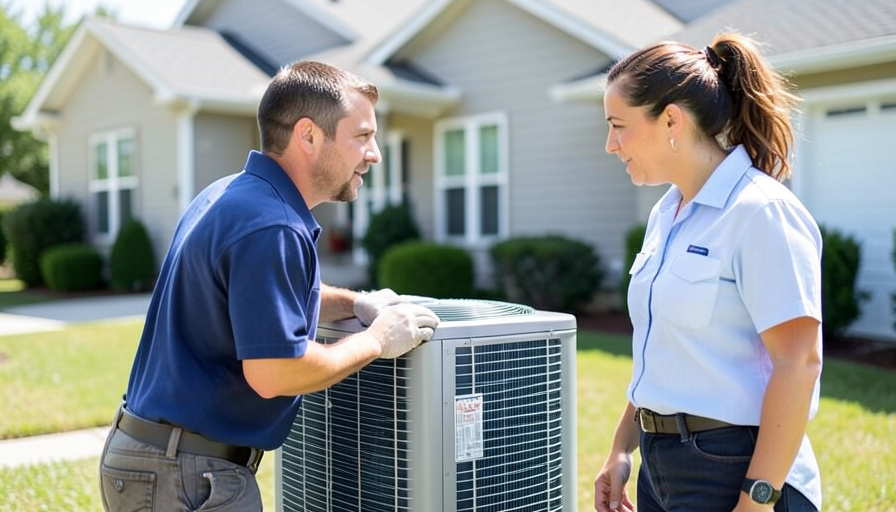
A heat pump is only as good as its install, and the rebate rules changed for 2026. Ask these 12 questions before you sign, from Manual J proof to who files the paperwork.
A heat pump can quietly cut your energy bills for the next 15 years or turn into an expensive, short-cycling headache, and the difference is almost never the brand. It is the install. The most common failures are a unit sized by rule of thumb instead of math, a bid that hides half the real cost, and a homeowner who assumed an incentive that no longer exists. You avoid all three by asking the right questions before you sign, not after the crew leaves. Here are the twelve that separate a pro from a quick quote.
What To Know
The two things that make or break a heat pump install are correct sizing and a complete, comparable bid. Insist on a Manual J load calculation you can actually see, an AHRI-matched system with its certificate number on the quote, and a written scope that lists every extra. On money, do not assume the old federal tax credit: the 25C credit ended for systems placed in service after December 31, 2025, so in 2026 you are looking at state and utility rebate programs instead, where they exist. Ask which current incentives your system qualifies for and who files the paperwork, then verify it yourself.
First, the rebate reality for 2026
A lot of advice online still tells you to claim a $2,000 federal tax credit for a heat pump. For 2026, that is wrong. The federal 25C Energy Efficient Home Improvement Credit expired for any system placed in service after December 31, 2025, so a unit installed this year does not qualify no matter when you bought it. What may still help you are state Home Energy Rebates and utility programs, which vary widely by location and income. Check what is actually live for your address using the ENERGY STAR rebate finder and your state’s Home Energy Rebates program page, then make your contractor’s rebate claims match reality.
12 questions to ask before you hire
- Are you licensed, insured, and bonded for HVAC in my state? Ask for the numbers and confirm them. An unlicensed install can void warranties and fail inspection.
- Will you run a Manual J load calculation, and can I see it? This is the single most important answer. Proper sizing comes from a load calculation for your specific home, not from the size of your old unit or a quick guess.
- Is this an AHRI-matched system, and will you put the certificate number on the quote? The AHRI certificate confirms the outdoor and indoor units are tested to work together, and its number lets you compare bids on identical terms.
- What SEER2 and HSPF2 ratings does this exact matched system hit? Ratings depend on the paired indoor coil, not just the outdoor unit, so get the numbers for the whole matched system you are actually buying.
- Which current rebates does this qualify for, and who files them? Have them name the specific live programs and say plainly whether they handle the paperwork or you do. Then verify it yourself, since the federal credit is gone and programs change.
- Will you pull the permit and schedule inspection? A permitted, inspected install protects you and is often required for rebates. Get the permit scope in writing.
- Is it cold-climate rated for my area, and what’s the backup heat plan? In cold regions, ask about the balance point and what heats the house on the coldest days, so you are not left shivering or running expensive emergency heat.
- Do my ducts need work, sealing, or a leakage test? A great heat pump on leaky ducts underperforms. Ask whether a Manual D duct calculation, sealing, or a leakage test is part of the job.
- What exactly is included, and what’s extra? Pin down electrical or panel work, the line set, thermostat, disconnect, condensate handling, and old-unit removal. This is how you make two bids truly comparable.
- What refrigerant does it use? The industry moved off R-410A in the 2025 phase-down toward refrigerants like R-454B and R-32, so confirm the refrigerant and that service and parts will be easy to get for years.
- What’s the warranty on parts, labor, and the compressor? These are often different lengths, and many require product registration to stay valid. Ask who honors labor if the installer goes out of business.
- Can I see references and how do payments work? Ask for recent local installs and reviews, and agree on payment milestones. Be wary of any contractor demanding a large deposit before work begins.
How to compare the bids you get back
Line the quotes up side by side and look past the bottom number. A bid with a Manual J attached, an AHRI certificate number, a full scope, and a realistic rebate note is worth more than a cheaper one that leaves those blank, because the blanks are where surprise costs and failed inspections live. If one contractor sizes the system very differently from the others, that is your cue to ask why, not to assume the smallest or largest is right. The best installer is usually the one whose paperwork is boring, complete, and specific.
Rebate and incentive programs change frequently and depend on your state, utility, and income, so treat any figures here as a starting point and confirm current eligibility through official program pages before you count on savings.
Frequently Asked Questions
Is there still a federal tax credit for heat pumps in 2026?
No. The 25C Energy Efficient Home Improvement Credit ended for systems placed in service after December 31, 2025. In 2026 you should look to state Home Energy Rebates and utility programs, which vary by location and income, instead of a federal credit.
Why does a Manual J load calculation matter so much?
It sizes the system to your actual home. An oversized heat pump short-cycles and wastes energy, while an undersized one cannot keep up. A high efficiency rating does not fix the wrong size, so the load calculation comes first.
What is an AHRI certificate and why should I ask for it?
It certifies that the specific outdoor and indoor units were tested together and lists their real ratings. The certificate number on your quote lets you compare bids on the exact same system and often supports rebate applications.
What do SEER2 and HSPF2 mean?
They are the current efficiency metrics for cooling and heating, in use since 2023. Higher is more efficient, but the ratings apply to the matched system, so get the numbers for the paired units you are actually buying.
Should I worry about the refrigerant type?
It is worth a question. The industry phased down R-410A in 2025 toward newer refrigerants, so confirm what your unit uses and that parts and service will remain easy to source over its lifespan.
How do I avoid an install that fails inspection?
Hire a licensed contractor who pulls the permit, performs a Manual J, and puts the full scope in writing. Permitting and inspection catch sizing and code problems before they become your problem.
The Bottom Line
A heat pump is a long-term appliance, and the questions above are how you buy 15 good years instead of a decade of regret. Insist on Manual J proof, an AHRI-matched system with its certificate, a complete written scope, and rebate claims you have verified for 2026 rather than inherited from an expired credit. Compare the boring, thorough bid against the cheap, vague one and pick boring every time. For seasonal upkeep once it is in, see our guide to getting your HVAC ready for the season, and avoid these renovation budget mistakes while you plan.




Leave a Reply
You must be logged in to post a comment.