
Turo sells the idea of borrowing a neighbor’s nicer car for less than a rental counter. Sometimes it delivers. Often, once you add the service fees, the young-driver surcharge, the host’s own rules, and the risk of a damage dispute at drop-off, the “cheap” peer-to-peer booking is no bargain. Plenty of renters have done the math and gone back to a regular rental, and the numbers frequently agree with them.
The good news is that renting a car without Turo is not a step down. Car-sharing apps and traditional agencies both give you upfront pricing, a standard pickup inspection, and clear insurance options, which is exactly what makes a rental predictable. Here are five strong alternatives, split between the by-the-hour sharing model and the trip-ready rental counter, so you can match the tool to the trip.
Quick Answer
- Zipcar: the best pick for short, local trips where you want a car by the hour with gas included.
- Enterprise: the everyday choice, with a huge network and neighborhood branches beyond the airport.
- Sixt: the option for a nicer fleet at competitive rates, run through a modern app.
- Avis: the pick for airport trips and skipping the counter, with upfront pricing.
- Budget: the go-to when the lowest base rate matters most.
Quick Picks
| Service | Best for | Model | How you book |
|---|---|---|---|
| Zipcar | Hourly local trips | Car sharing, membership | App, self-service |
| Enterprise | Everyday and non-airport rentals | Traditional agency | Web or app, counter pickup |
| Sixt | Premium cars at fair rates | Traditional agency | App-first booking |
| Avis | Airport trips, skip the counter | Traditional agency | Web or app, Avis Preferred |
| Budget | Lowest base rate | Traditional agency | Web or app, counter pickup |
1. Zipcar
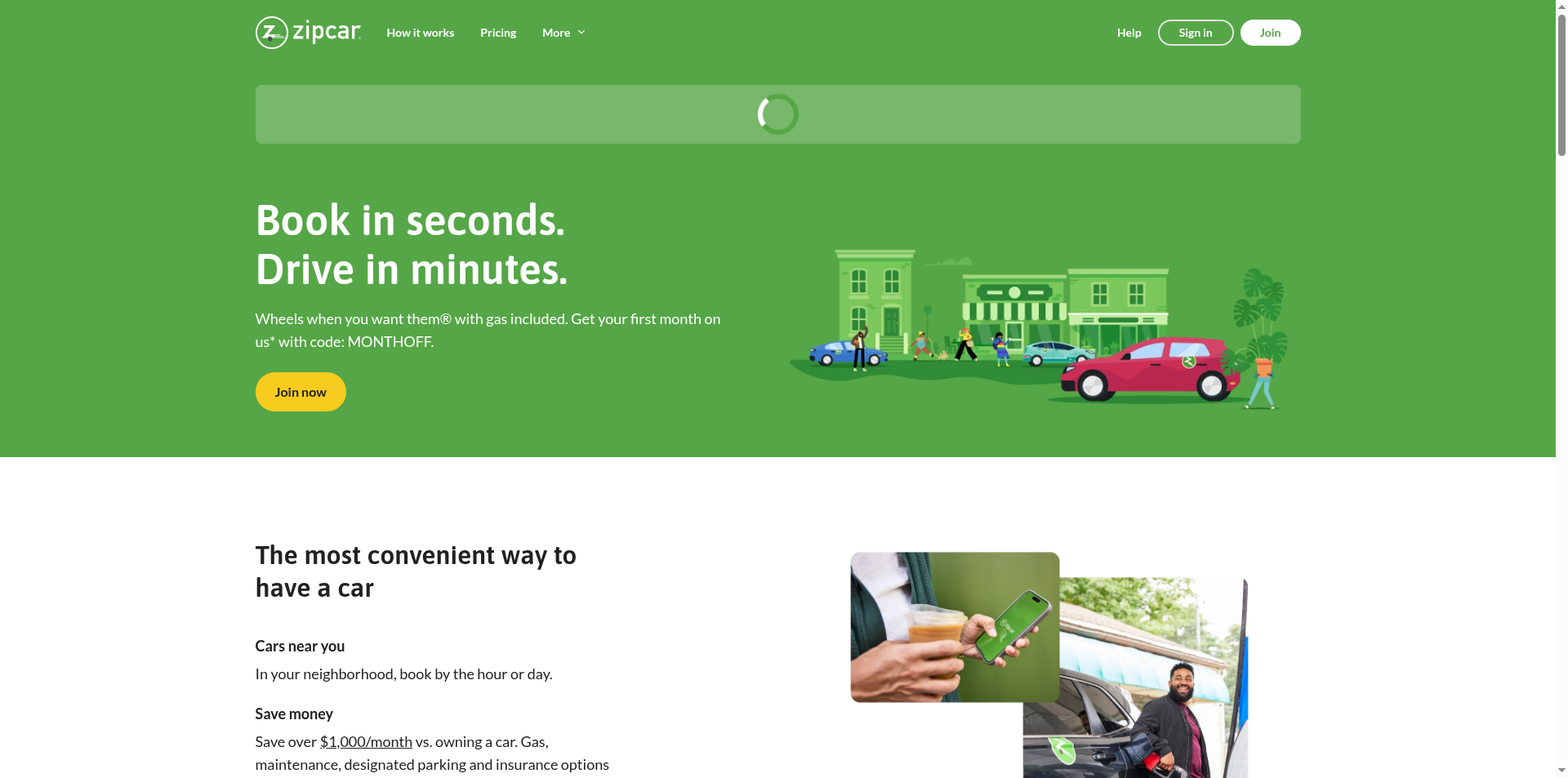
Zipcar is the answer when you do not want a car for a whole trip, just for a few hours to run errands or reach somewhere transit does not. You join as a member, then book a nearby car by the hour or day from the app, unlock it with your phone, and drive. Gas and insurance options are built into the model, and the cars live in reserved spots rather than at a rental counter, so there is no line and no upsell pitch. For city dwellers without a car, it is the closest thing to Turo’s convenience with none of the host guesswork.
- Best for: Short, local trips where hourly beats a full-day rental.
- Pros: Book in minutes from the app, gas included, no counter, reserved parking.
- Cons: Membership fee, only in Zipcar cities, and mileage limits on longer trips.
- Pricing: A membership plus hourly or daily rates that include gas.
2. Enterprise
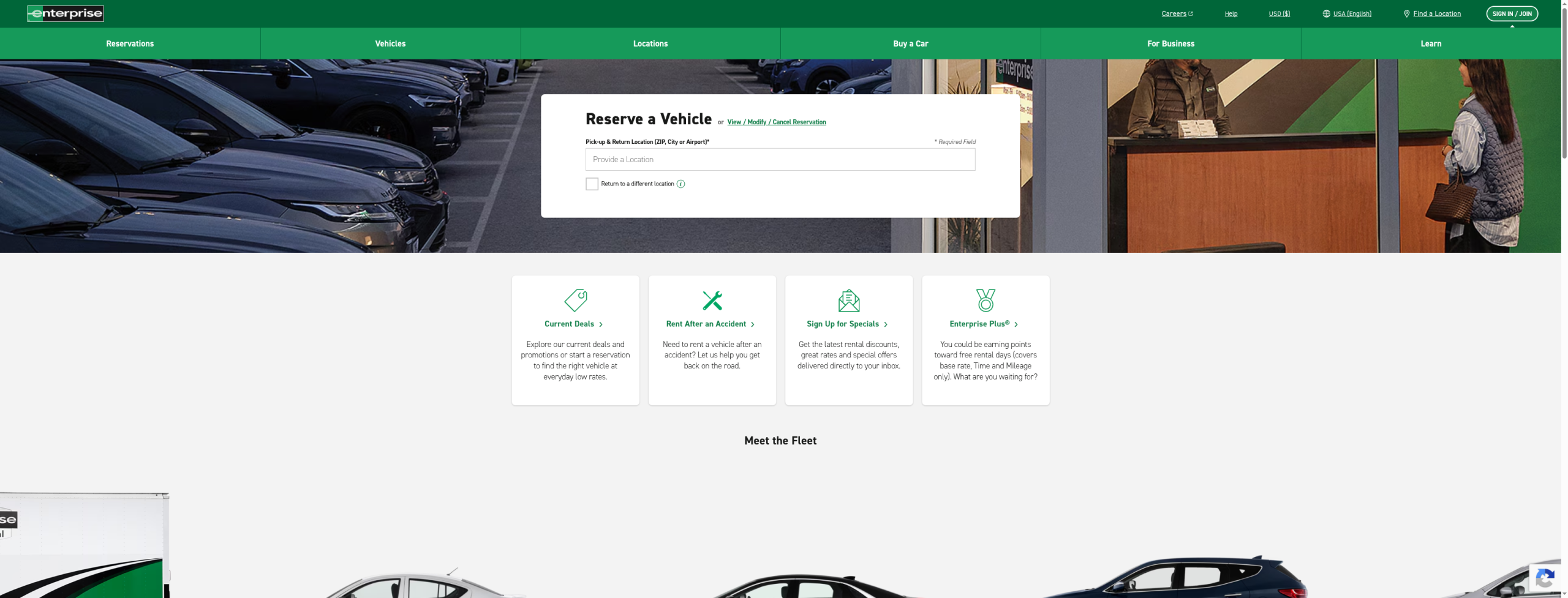
Enterprise is the workhorse for ordinary rentals, and its edge is reach. It has a large network that stretches well beyond airports into neighborhood branches, which makes it the natural choice when you need a car near home rather than at a terminal. It also leans into the replacement-rental market, so it is set up for the “my car is in the shop” situation. The pickup is a standard, documented process, which is the boring, reassuring opposite of meeting a stranger to inspect their personal car.
- Best for: Everyday rentals and pickups away from the airport.
- Pros: Very large network, neighborhood locations, strong for replacement rentals.
- Cons: Airport surcharges apply, and you should confirm your insurance before you add theirs.
- Pricing: Per-rental everyday rates, with extra fees at airport locations.
3. Sixt
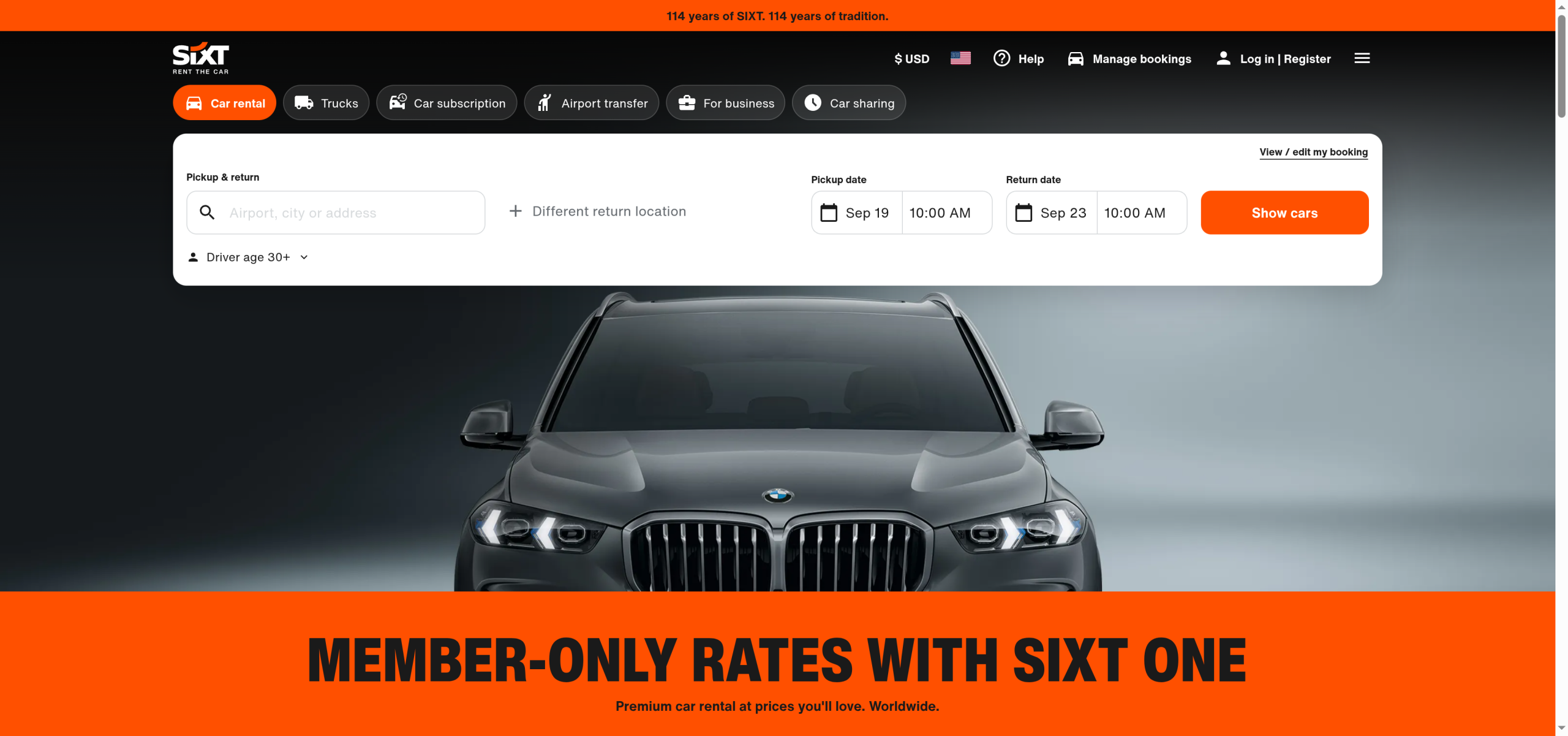
Sixt sits in an interesting spot: a traditional agency that often puts you in a nicer car than the price suggests, booked through a genuinely modern app. If you would use Turo mainly to drive something more premium than a base economy box, Sixt scratches that itch without the peer-to-peer risk, since the fleet skews upmarket and the rates stay competitive. Its US footprint is smaller than the biggest chains, so it is strongest in major cities and airports rather than every small town.
- Best for: A premium car at a rate closer to a standard rental.
- Pros: Upmarket fleet, polished app, competitive member rates.
- Cons: Fewer US locations than the giants, and young-driver fees can apply.
- Pricing: Per-rental rates, with lower member pricing available.
4. Avis
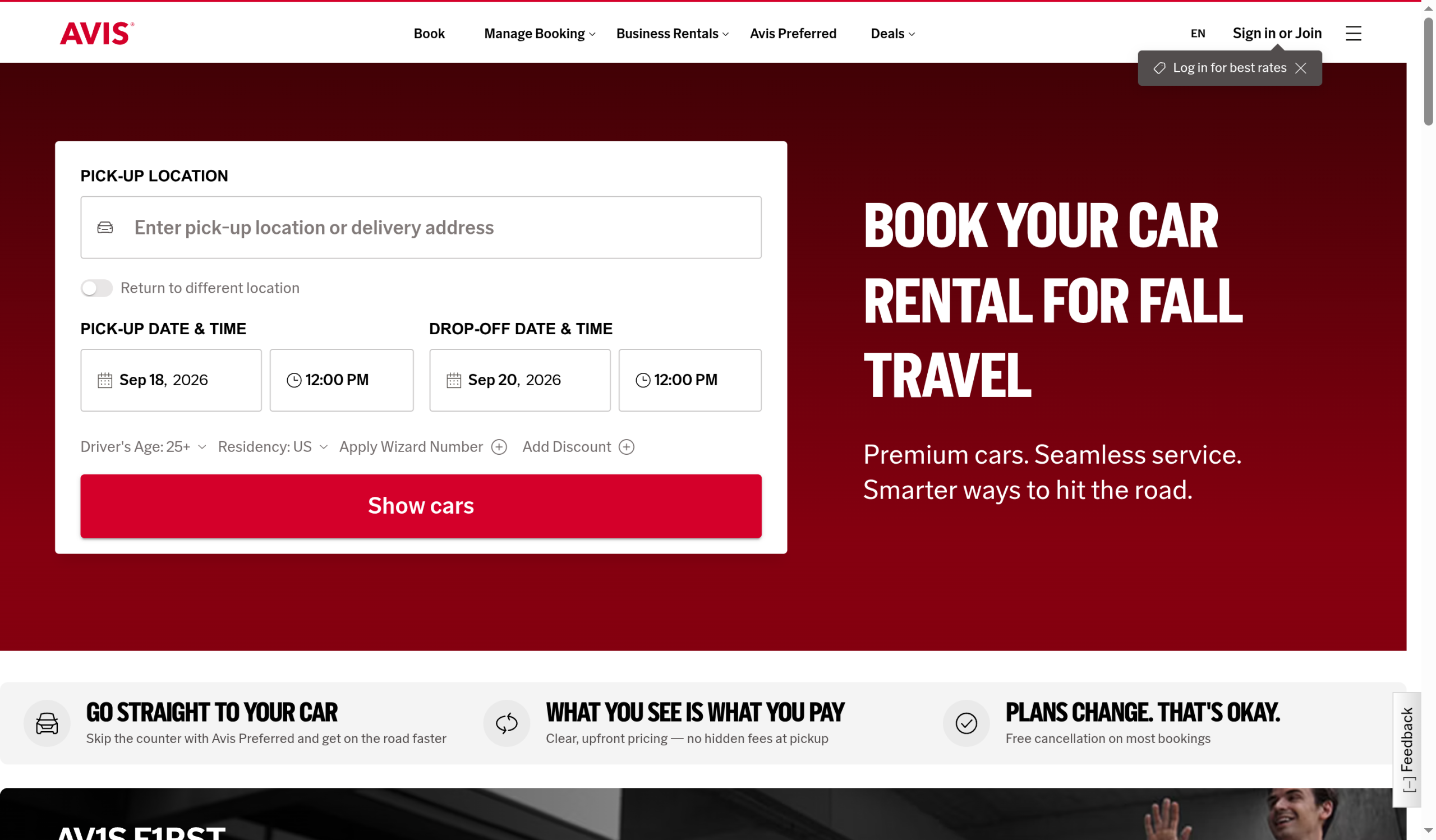
Avis is built for the airport trip where you want to land and go. Its Preferred program lets frequent renters skip the counter and head straight to the car, and the site leans on upfront pricing, so what you see is closer to what you pay at the desk. For a business trip or a fly-in vacation, that predictability and the big airport network are the draw. It usually costs more than the value brands, but you are paying for speed and reach.
- Best for: Airport pickups and travelers who want to skip the counter.
- Pros: Large airport network, skip-the-counter option, clear upfront pricing.
- Cons: Pricier than budget brands, and the fastest service needs the loyalty program.
- Pricing: Per-rental rates, higher at busy airports.
5. Budget
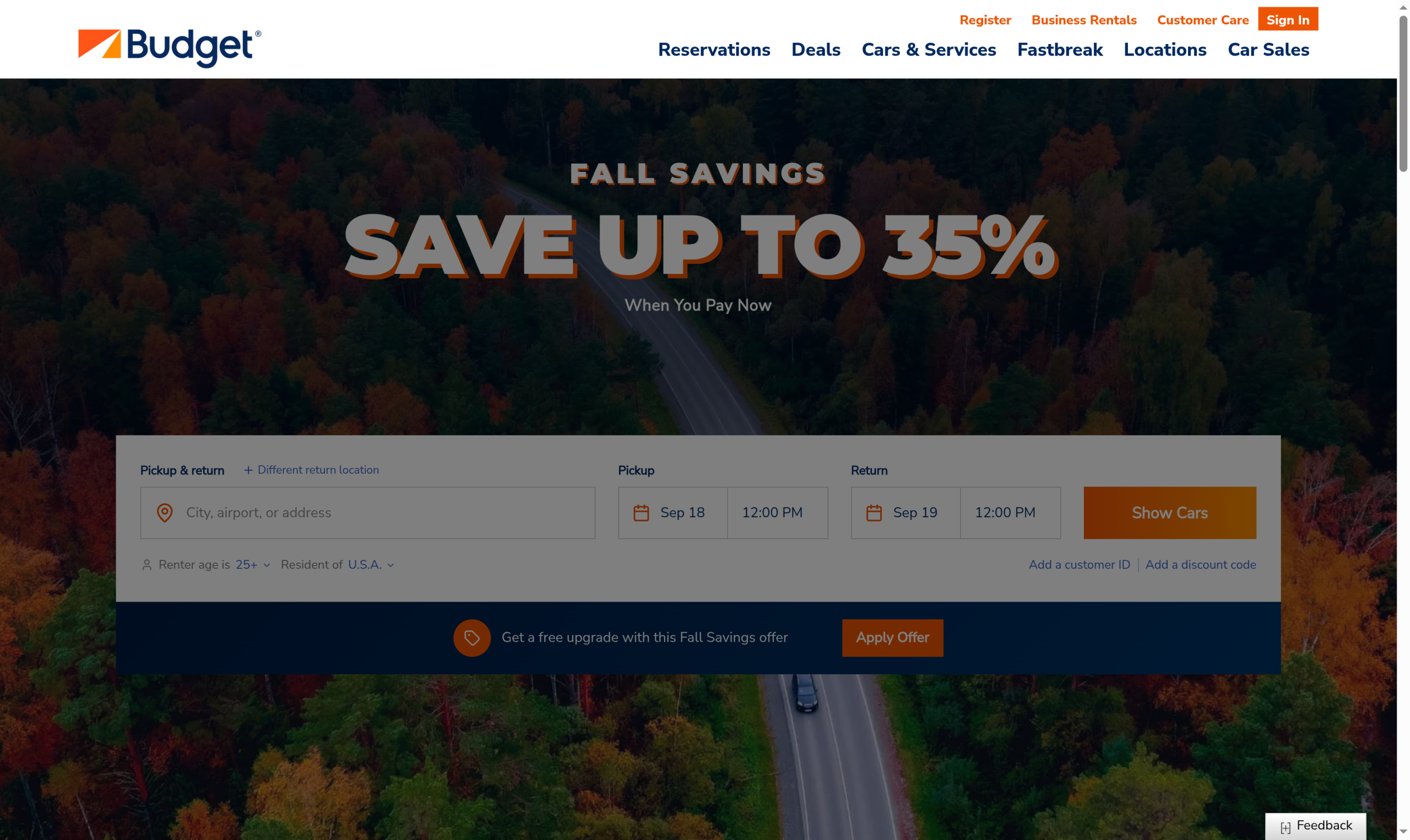
Budget is the one to check when the base rate is what you care about, and it lives up to the name with frequent deals and discount codes. It runs on the same large network as its sibling brand, so coverage is wide, and it is a straightforward pick for a price-sensitive road trip. The catch is the usual rental-agency one: the sticker rate is attractive, but add-ons like extra drivers, insurance, and fuel options can lift the total, so read the line items before you pay.
- Best for: Renters chasing the lowest base rate.
- Pros: Low starting rates, frequent promotions, wide network.
- Cons: Add-on fees can climb, and the fleet runs more basic than premium brands.
- Pricing: Value-focused per-rental rates, often with a discount code.
How We Chose These
We started from what makes a rental predictable, since that is the main thing Turo can lack. Every pick had to offer upfront pricing you can see before you commit, a standard and documented pickup rather than an informal handoff, and clear insurance options. We included both models on purpose: car sharing for short local trips and traditional agencies for full days and airport travel, so the list fits real needs instead of one use case. We weighed US availability, the size of each network, and how each one handles the parts renters complain about most, which are surprise fees and damage disputes. We left out peer-to-peer services that would just repeat Turo’s trade-offs.
The Bottom Line
If you only need a car for a few hours in the city, Zipcar is the easiest and often the cheapest route. For a full day or a trip, a traditional agency wins on predictability: Enterprise for reach and non-airport pickups, Sixt for a nicer car at a fair price, Avis for fast airport service, and Budget when the base rate rules. Before you book any of them, check whether your own auto policy or credit card already covers rentals, since the Insurance Information Institute notes your existing coverage may extend to a rental and let you skip the counter add-on. Photograph the car at pickup and drop-off either way. For more trip and car guidance, see our Travel and Autos sections.
Frequently Asked Questions
What is the best Turo alternative?
It depends on the trip. For short local drives, Zipcar is the best alternative because you book by the hour with gas included and skip the counter. For a full day or an airport trip, a traditional agency is better: Enterprise for its huge non-airport network, Sixt for a premium car at a fair rate, Avis for fast airport pickups, and Budget for the lowest base price. All four give you upfront pricing and a standard pickup process.
Is Turo cheaper than a regular rental car?
Not as often as it looks. Turo’s headline price can beat a rental, but service fees, young-driver surcharges, mileage limits, and each host’s own rules add up, and many renters report that a traditional agency ended up cheaper and simpler. The only way to know for your trip is to price the total, including insurance and fees, on both, rather than comparing the base rates alone.
Do I need extra insurance to rent from these companies?
Maybe not. Per the FTC’s guidance on renting a car, your own auto insurance or the credit card you pay with may already cover a rental, so check both before you buy the agency’s coverage at the counter. If you have no personal auto policy or your card’s coverage is limited, the agency’s protection can be worth it. Confirm the specifics with your insurer and card issuer ahead of time so you are not deciding under pressure at pickup.
Which is best for a quick local trip without a car?
Zipcar, by a wide margin. It is designed for exactly that: grab a nearby car for an hour or two, drive, and return it to its reserved spot, with gas and insurance folded into the rate. For someone in a Zipcar city who does not own a car, it beats both Turo and a full-day rental for short errands, since you are not paying for a whole day you will not use.
How do I avoid damage disputes at pickup?
Document the car before you drive off, no matter which company you use. Walk around it and take clear, time-stamped photos and a short video of every panel, the wheels, the windshield, and the interior, and make sure any existing damage is noted on your agreement. Do the same at drop-off. Traditional agencies use a standardized inspection that makes this easier than an informal peer-to-peer handoff, but the photo habit protects you either way.




Leave a Reply
You must be logged in to post a comment.