
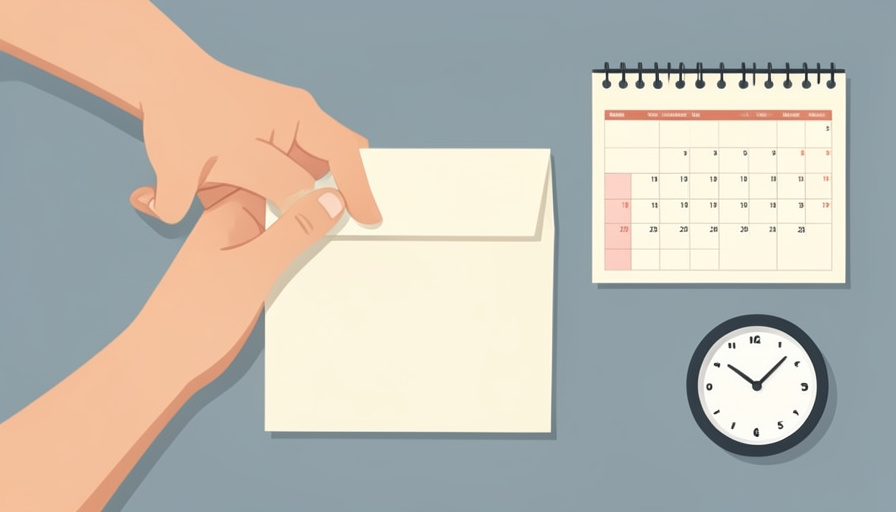
Almost every rejected mail ballot fails for a small, fixable reason. A few minutes of care removes nearly all of that risk.
The frustrating thing about a rejected mail ballot is how avoidable most rejections are. People rarely lose their vote to fraud or a conspiracy. They lose it to a missed deadline, a signature that did not match, or a form left unsigned. Knowing how to make sure your mail-in ballot counts is mostly about sidestepping a short list of common, boring mistakes, and it takes about five minutes of attention.
This is a practical, nonpartisan checklist. It pairs with our explainer on who actually sets mail-in voting rules, since the specifics below vary by state and your local election office is always the final word.
The Short Version
Find out whether your state counts ballots by the date received or the postmark date, and work backward from there. Sign exactly as you are registered, since signature mismatches are a top reason ballots get rejected. Follow the envelope instructions precisely, use a drop box if the deadline is close, track your ballot online, and know your state’s process for fixing, or curing, a rejected ballot.
Table of Contents
Know Your Deadline Type First
This is the single most important thing to get right, because it decides whether a late-mailed ballot counts at all. States fall into two camps. Some count any ballot received by Election Day, so a ballot still in the mail on election night is simply too late. Others accept ballots postmarked by Election Day and arriving within a few days after.
Find out which rule your state uses before you do anything else. According to the state-by-state deadline data from the National Conference of State Legislatures, the split is real and consequential. If your state counts by received date, treat the deadline as several days earlier than Election Day in practice, and do not trust last-minute mail.
Sign It Correctly
Signature problems are one of the most common reasons a ballot gets rejected, and they are entirely preventable. Most states check the signature on your ballot envelope against the one they have on file, often from your voter registration or driver’s license.
So sign the way they expect. If your signature has drifted over the years, try to match the style on record rather than a rushed scribble. Make sure you sign every place the envelope requires, since some states need a signature in more than one spot, and a few require a witness or notary. Read the envelope instructions as if they were a form that gets rejected for errors, because that is exactly what they are.
Handle the Envelope by the Rules
The outer envelope is part of the legal ballot, not mere packaging. Small mistakes here sink otherwise valid votes. A few things to check:
- Use the secrecy sleeve if provided. Some states require the inner sleeve, and skipping it can invalidate the ballot.
- Fill in every required field. Date, address, or ID number blanks can all trigger a rejection depending on the state.
- Seal it properly. An unsealed or damaged envelope can be challenged.
- Do not let someone else sign or complete it for you unless your state specifically allows assistance and you follow its rules.
Deliver It the Safest Way
How you return the ballot matters as much as how you fill it out. If you have time, mailing it well before the deadline is fine. If the deadline is close, skip the postal risk entirely and use an official drop box or return it in person to your election office where allowed. A drop box removes the single biggest variable, mail timing, from the equation.
One caution: return your ballot only through official channels. Be wary of anyone offering to collect and deliver ballots for you outside of a program your state authorizes, and confirm drop-box locations through your official election office rather than a flyer or social post.
Track It, and Fix It If Needed
Your job is not done when the ballot leaves your hands. Most states offer online ballot tracking, so you can confirm it was received and, crucially, accepted. Checking that status is how you catch a problem while you still have time to act.
If your ballot is flagged for a fixable issue, many states have a process called curing, which lets you correct something like a missing or mismatched signature within a set number of days. Do not assume you will be notified automatically. Track the ballot, and if it shows a problem, contact your election office immediately to ask how to cure it before the window closes.
This article is general information, not legal advice. Mail voting rules vary by state and change, so confirm the current requirements and deadlines with your state or local election office before you rely on them.
What To Know
- Most rejected mail ballots fail for small, avoidable reasons, not fraud.
- Find out whether your state counts ballots by received date or postmark, and work backward.
- Sign exactly as registered, and complete every required field on the envelope.
- Use an official drop box if the deadline is close to remove mail-timing risk.
- Track your ballot online and know your state’s curing process for fixing a rejected ballot.
Frequently Asked Questions
Why do mail-in ballots get rejected?
The most common reasons are arriving after the deadline, a signature that does not match the one on file, and missing information or signatures on the envelope. Nearly all of these are small, preventable mistakes rather than anything sinister.
Does my ballot need to arrive by Election Day or just be postmarked?
It depends on your state. Some count only ballots received by Election Day, while others accept ballots postmarked by Election Day and received within a few days. Confirm your state’s rule, because it changes how early you must mail.
What happens if my signature does not match?
Many states will flag the ballot and offer a chance to fix it through a process called curing, usually within a set number of days. But you often have to act, so track your ballot and contact your election office if it shows a signature problem.
Is a drop box safe to use?
Official drop boxes run by your election office are a secure return method and remove the risk of mail delays. Confirm locations through your official election office, and avoid handing your ballot to anyone offering unofficial collection.
How do I know if my mail ballot was counted?
Most states offer online ballot tracking that shows when your ballot was received and whether it was accepted. Checking it is the best way to catch and fix a problem while there is still time.
What To Do Next
Voting by mail is reliable when you treat the envelope like the legal document it is. Confirm your deadline type, sign as registered, fill in every field, return it through an official channel with time to spare, and then track it to the finish. Do those five things and the odds of your ballot being tossed for a technicality drop close to zero. For more practical civic guidance, see ShoutPost’s Law section.

Leave a Reply
You must be logged in to post a comment.