


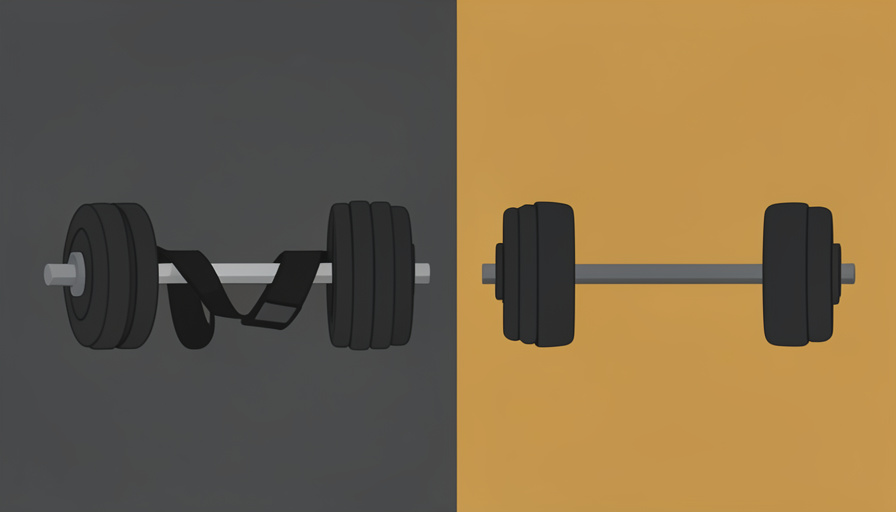
When someone pulls 511 kilograms and someone else’s “record” is lighter, the gap is not about who is stronger. It is about the rules they lifted under.
Raul Flores’ 511-kilogram deadlift is the heaviest ever recorded, but a powerlifting fan will tell you the “real” record is lower, and a raw-lifting purist will name a different number again. They are all correct, because they are talking about different sports. Understanding strongman vs powerlifting deadlift records means understanding that the deadlift is not one event with one rulebook. It is at least three, and the equipment each allows changes the number dramatically.
Here is how the disciplines differ and why comparing their records directly is a mistake. For the story behind the current all-time mark, see our piece on Raul Flores’ 511kg record.
In Brief
Strongman allows lifting straps, a suit, and often “hitching” the bar up the thighs, which is why its deadlift records are the heaviest, topping out at Flores’ 511 kilograms. Raw powerlifting allows only a belt, so its records are lower but arguably the purest test of strength. Equipped powerlifting permits a supportive suit but not straps. Because the rules differ, the records are not directly comparable.
Table of Contents
The Three Kinds of Deadlift Record
Most arguments about “the deadlift record” are really people talking past each other. There are three main versions, each with its own rules and its own heaviest lift.
| Discipline | Gear allowed | Heaviest recorded | Example lifter |
|---|---|---|---|
| Strongman | Straps, suit, belt, hitching allowed | ~511 kg | Raul Flores (2026) |
| Raw powerlifting | Belt only, no straps or suit | ~487.5 kg | Danny Grigsby (2022) |
| Equipped powerlifting | Deadlift suit and belt, no straps | ~457.5 kg | Andy Bolton (2009) |
Look at the gap. The strongman record sits roughly 23 kilograms above the best raw pull and more than 50 above the classic equipped mark. That spread is almost entirely explained by equipment and technique rules, not by the raw strength of the athletes, who in several cases have competed across more than one of these formats, as rundowns of the heaviest deadlifts show.
What Straps and Hitching Actually Change
Strongman produces the biggest numbers because it removes the two things that usually cap a deadlift: grip and a strict lockout standard.
Straps are the bigger factor. Figure-eight lifting straps physically bind the hands to the bar, so grip strength stops being the limit. In raw lifting, plenty of pulls fail not because the legs and back cannot move the weight, but because the fingers open. Take grip out of the equation and the ceiling rises immediately. On top of that, strongman rules often permit “hitching,” where a lifter rests the bar on the thighs and ratchets it up in stages rather than locking it out in one clean motion. Both are perfectly legal in strongman, where the world deadlift record is contested. Both would be an instant no-lift in powerlifting.
Why Raw Is the Purest Number
Raw powerlifting is the closest thing to a bare test of human pulling strength. A belt is allowed, since it helps brace the trunk and is more about safety than assistance, but nothing else. No straps, so the grip has to hold. No suit, so there is no stored tension helping off the floor. The bar must come up in one controlled motion to a clean lockout.
That is why many strength fans treat the raw record as the “real” one, even though it is lighter. It is the number with the fewest asterisks. When Danny Grigsby pulled 487.5 kilograms raw, grip, back, legs, and lockout all had to hold with only a belt for help, which is a different and in some ways harder achievement than a heavier assisted pull.
Where Equipped Powerlifting Fits
Equipped powerlifting is the odd middle case, and it surprises people. It allows a deadlift suit, a stiff supportive garment that stores a little tension to help break the bar off the floor, but it does not allow straps. The result is a record that is actually lighter than the modern raw mark, because grip still limits the lift and the suit’s help off the floor is modest.
The reason the classic equipped number looks low is partly history: raw lifting has advanced enormously in recent years, while the headline equipped deadlift mark has stood since 2009. It is a useful reminder that a “record” is only meaningful next to its own rulebook and era.
How to Compare Records Fairly
The honest answer is that you mostly should not compare them across disciplines. A few rules of thumb help:
- Match the rules before you compare. A strapped, hitched strongman pull and a raw powerlifting pull are different lifts, not the same lift done better.
- Read “world record” with its qualifier. The words “raw,” “equipped,” or “strongman” in front of it are doing essential work.
- Respect what each rewards. Strongman rewards moving maximum load by any legal means. Raw rewards the cleanest possible expression of strength.
None of this diminishes any of the lifters. Flores moving 511 kilograms by the rules of his sport is extraordinary, and so is a raw lifter holding a grip on 487.5 with nothing but chalk. They are just answering different questions about how strong a human can be.
Key Takeaways
- The deadlift has at least three record categories: strongman, raw powerlifting, and equipped powerlifting.
- Strongman records are heaviest because straps remove grip as a limit and hitching relaxes the lockout standard.
- Raw powerlifting allows only a belt, making it the purest and most-cited test of pulling strength.
- Equipped powerlifting permits a suit but not straps, and its classic record is lighter than the modern raw mark.
- Records are only meaningful within their own rules, so cross-discipline comparisons mislead.
Frequently Asked Questions
Why are strongman deadlift records higher than powerlifting?
Strongman allows lifting straps, which remove grip as a limiting factor, and often permits hitching the bar up the thighs rather than a strict single-motion lockout. Both let athletes move more weight than powerlifting rules allow, so strongman records are the heaviest.
What is the difference between raw and equipped powerlifting?
Raw powerlifting allows only a belt, with no straps or supportive suit. Equipped powerlifting permits a deadlift suit that helps off the floor but still bans straps. Raw is considered the purer test, and modern raw records have surpassed the classic equipped mark.
What is hitching in a deadlift?
Hitching is resting the bar on the thighs and ratcheting it up in stages during the ascent rather than locking it out in one clean motion. It is legal in strongman but counts as a failed lift in powerlifting.
What is the heaviest deadlift ever?
The heaviest recorded deadlift is Raul Flores’ 511 kilograms, set in strongman competition in 2026 using strongman equipment rules. It is not directly comparable to raw powerlifting records, which are lighter but done with less assistance.
Which deadlift record is the “real” one?
It depends on what you value. Strongman produces the biggest number under its rules, while raw powerlifting is often called the purest because it uses only a belt. Neither is more valid; they measure different things.
The Bottom Line
The next time a deadlift number goes viral and the comments erupt over whether it “counts,” the answer is almost always yes, within its own sport, and no, as a comparison to another one. Strongman, raw, and equipped lifting each ask a slightly different question about strength, and each has its own honest answer. Flores holds the biggest of them. He does not hold all of them, and that is exactly how it should be. For more, see ShoutPost’s Sports section.