


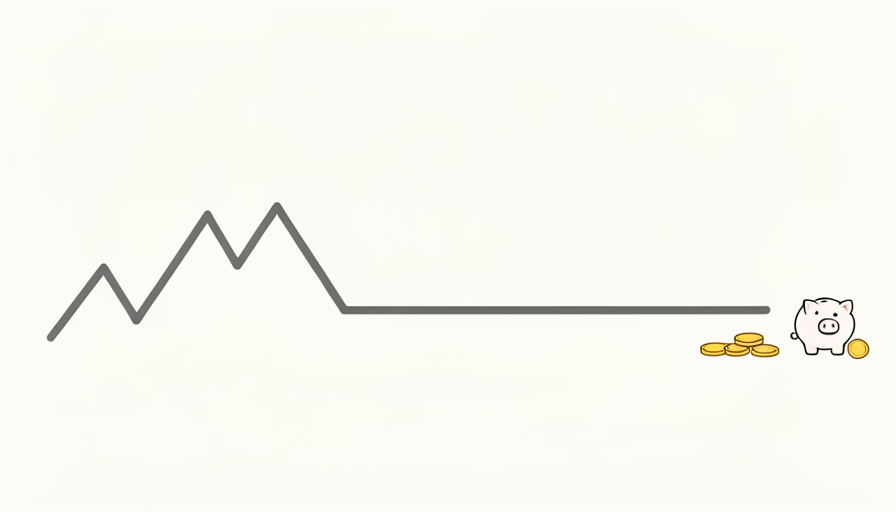
One month you earn nine thousand dollars and feel rich. The next you earn three thousand and feel broke. The money averages out fine on paper, but a budget built on “fine on paper” collapses the first lean month. The trick is to stop budgeting around what you earn and start paying yourself a steady wage instead.
Freelancers, gig workers, commission earners, and seasonal workers all hit the same wall: the standard monthly budget assumes a steady paycheck they do not get. The fix is a simple system that turns a bumpy income into a predictable one you can actually plan around. Here is how to budget on an irregular income without the feast-and-famine whiplash.
In Brief
To budget an irregular income, base your plan on your lowest realistic month, not your average. Route all income into one holding account, then pay yourself a fixed monthly “salary” from it into a separate spending account. Good months overflow into a buffer, and lean months draw from it, which smooths the bumps. Set aside 25 to 30 percent for taxes before anything else, and build one to three months of buffer before raising your salary.
Budget Off Your Floor, Not Your Average
The first instinct is to average your income and budget around that number. That is the trap. An average hides the months that break you, because a budget set to your average is unaffordable in every below-average month, which for irregular earners is most of them.
Instead, look at six to twelve months of earnings and find your realistic floor, closer to your lowest normal month or your bare-minimum expenses. That floor is the number your everyday budget should run on. As variable-income budgeting guides stress, planning off the low point rather than the average is what keeps a bad month from turning into a crisis.
Pay Yourself a Salary
This is the core move that makes everything else work. Instead of spending whatever landed this month, you pay yourself a fixed amount on a set schedule, exactly like an employer would. That fixed “salary” is your floor number.
In a strong month you earn more than your salary, and the extra stays behind. In a weak month you earn less, and you still pay yourself the same salary by topping it up from what you kept earlier. Your spending life becomes steady and boring even though your income is not, and boring is the goal. You are no longer riding every high and low, you are drawing a consistent wage from a business that happens to have uneven revenue.
Use Two Accounts and a Buffer
The salary method needs somewhere for the smoothing to happen, and two accounts handle it cleanly.
- A holding account. Every client payment or paycheck lands here first. You do not spend from this account.
- A spending account. Once a month you transfer your fixed salary from the holding account to this one, and this is the only account you actually live from.
- The buffer. Money that piles up in the holding account during good months is your buffer. It is what funds your salary in the months you earn less than you pay yourself.
The buffer is the whole engine. Treat a strong month as stored fuel for the slow stretch ahead rather than money to blow, and it will keep paying your salary when revenue dips. Treat the holding account as off-limits for daily spending and the system runs itself.
Set Aside Taxes First
For self-employed and gig income, taxes are usually not withheld for you, which is how people end up owing a scary sum they already spent. Handle it by skimming taxes off the top before the money ever feels like yours.
A common approach, echoed in freelancer budgeting guidance, is to move 25 to 30 percent of each payment into a separate tax account the moment it arrives, or to use last year’s effective tax rate plus a couple of points as your target. Self-employment tax alone is significant, so err on the side of setting aside more rather than less. Because tax rules and rates vary by situation and country, this is the part of your budget most worth confirming with a tax professional, but the habit is the same everywhere: quarantine the tax money immediately so you never mistake it for spendable income.
Build the Buffer Before You Raise Your Salary
When you first start, set your salary conservatively, even a little below your floor. It will feel too cautious. That is the point, because the early goal is to build a cushion of one to three months of expenses in the holding account.
Once that buffer exists, you can raise your salary toward your true floor and hold it there through the lean stretches without panic. Revisit the number a couple of times a year as your baseline income and buffer grow. A steadily rising, sustainable salary beats a high one you cannot actually pay yourself in a slow month.
Main Takeaways
- Budget on your lowest realistic month, not your average, since averages hide the months that break you.
- Pay yourself a fixed monthly salary equal to that floor, the same way an employer would.
- Route all income into a holding account and spend only from a separate account you transfer your salary into.
- Good months build a buffer that funds your salary in lean months, smoothing the feast-and-famine cycle.
- Set aside 25 to 30 percent for taxes as money arrives, and build one to three months of buffer before raising your salary.
Frequently Asked Questions
How do I set a budget when every month is different?
Base it on your lowest realistic month rather than your average. Review six to twelve months of income, identify a conservative floor, and build your everyday budget on that number. Then pay yourself that fixed amount each month so your spending stays steady even when your income does not.
What is the “pay yourself a salary” method?
It means transferring a fixed amount to yourself on a set schedule from a holding account that collects all your income, just like a regular paycheck. Extra earnings from strong months stay in the holding account as a buffer that covers your salary during weaker months, keeping your spending predictable.
How much should I set aside for taxes on freelance income?
A common guideline is 25 to 30 percent of each payment moved into a separate tax account as it arrives, since self-employment income usually is not taxed at the source. Rates depend on your situation and location, so confirm the right figure with a tax professional, but set aside the money immediately either way.
How big should my buffer be?
Aim to build one to three months of expenses in your holding account before you raise your salary to your full floor. That cushion is what lets you pay yourself the same amount during slow months without stress. Grow it over time and revisit your salary a couple of times a year.
The Bottom Line
Irregular income is not a budgeting problem so much as a timing problem, and the salary system fixes the timing. Collect everything in one account, pay yourself a steady wage off your floor, let good months feed the buffer that carries the bad ones, and wall off taxes the moment money arrives. Do that, and a career of nine-thousand-dollar and three-thousand-dollar months starts to feel like a calm, predictable paycheck. For more coverage, see ShoutPost’s Finance & Money and Business sections.
This article is general educational information, not financial or tax advice. Your situation, tax rate, and local rules differ, so consider speaking with a qualified financial or tax professional before making decisions.